


 (0)
(0)
A Complete Guide to Choosing a Smart Portable TV with Wheels for Meetings and Presentations
As workplaces become more flexible and meetings move beyond traditional conference rooms, display technology must evolve as well. Fixed wall-mounted screens and projectors often limit how teams collaborate, present ideas, and use shared spaces. This is why many organizations are turning to Smart Portable TVs with Wheels—a new generation of mobile, interactive displays designed for modern meetings and presentations.
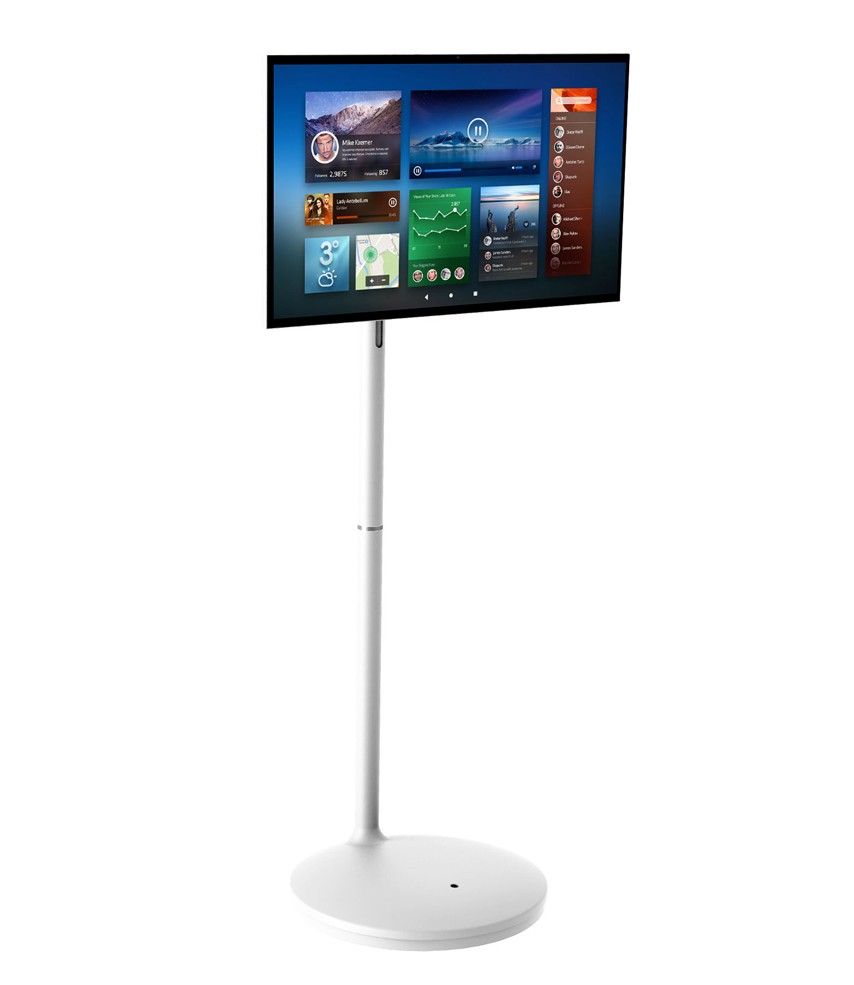
However, not all portable smart TVs are created equal. Choosing the right model requires more than looking at screen size or basic specifications. This guide breaks down the key factors you should consider to ensure the display you choose truly supports productivity, collaboration, and long-term usability.
1. Start with Mobility: How Easy Is It to Move and Reposition?
The core advantage of a smart portable TV is mobility. For meeting rooms, training spaces, and presentation environments, the display should move smoothly between locations without effort.
Key points to evaluate:
Quality and number of wheels for stability and smooth movement
Ability to reposition the screen without unplugging cables
Compact footprint that fits through doors and narrow hallways
A well-designed wheeled system allows teams to roll the display from a conference room to a training area or temporary workspace in seconds, maximizing usage across departments.
2. Touch Capability: Essential for Interactive Presentations
Modern presentations are no longer one-way. Brainstorming sessions, workshops, and strategy meetings rely heavily on interaction. A multi-touch screen enables users to annotate slides, highlight data, draw diagrams, and collaborate directly on the display.
When evaluating touch functionality, consider:
Responsiveness and accuracy of touch input
Support for multi-touch gestures
Compatibility with common presentation and collaboration apps
Touch capability transforms meetings from static presentations into dynamic working sessions where ideas can be built in real time.
3. Display Quality: Why FHD Resolution Matters
For meetings and presentations, clarity is critical. Whether displaying charts, documents, videos, or dashboards, the screen must remain sharp and readable from different viewing distances.
FHD resolution provides:
Clear text for spreadsheets and documents
Detailed visuals for presentations and videos
Better experience for hybrid meetings and screen sharing
This level of resolution ensures everyone in the room can follow the content without strain, even in larger meeting spaces.
4. Adjustability: One Screen, Many Use Cases
A portable TV should adapt to the room and audience—not the other way around. Adjustable height, rotation, tilt, and swivel features allow presenters to optimize viewing angles for different environments.
This is especially important for:
Boardroom presentations with seated participants
Workshops with standing discussions
Hybrid meetings where camera alignment matters
An adjustable display ensures comfort, visibility, and professionalism in every presentation scenario.
5. Operating System: Built-In Intelligence Saves Time
One of the biggest differences between basic mobile displays and advanced smart portable TVs is the operating system. Models running Android allow users to install apps directly, eliminating reliance on external devices.
With Android 13, users can:
Access presentation and collaboration apps from Google Play
Run video conferencing tools directly on the screen
Use cloud-based platforms without additional hardware
This simplifies meeting setups and reduces technical friction, especially for teams that frequently change rooms or locations.
6. Connectivity: Wired and Wireless Options Are Both Important
A reliable presentation setup must support multiple ways to share content. The best smart portable TVs offer both wireless and wired connectivity to accommodate different devices and preferences.
Look for support for:
Wireless screen sharing over Wi-Fi
HDMI input for laptops and external devices
Seamless switching between presenters
This flexibility ensures meetings run smoothly regardless of the devices participants bring with them.
7. Battery Power: True Portability Without Constraints
Many so-called “portable” displays still require constant access to power outlets. A built-in battery allows the screen to operate wirelessly, unlocking its full mobility.
Battery-powered operation is especially valuable for:
Training sessions in temporary spaces
Workshops and brainstorming sessions
Corporate events and presentations
Locations without convenient power access
A long-lasting battery ensures uninterrupted meetings without cable management issues.
8. Integrated Audio and Video: Designed for Hybrid Meetings
With remote collaboration now standard, built-in audio and video components are essential. A smart portable TV with integrated speakers, camera, and microphone simplifies hybrid meetings by reducing the need for extra equipment.
This integrated approach:
Speeds up meeting setup
Reduces clutter and compatibility issues
Delivers a cleaner, more professional experience
For organizations hosting frequent video calls or remote presentations, this feature is a significant efficiency gain.
9. Durability and Build Quality: Designed for Frequent Use
Mobility means frequent movement, so build quality matters. A well-constructed frame, stable base, and durable components ensure the screen can withstand daily repositioning.
When assessing durability, consider:
Stability when stationary
Strength of the stand and mounting system
Long-term reliability of moving parts
A robust design protects your investment and ensures consistent performance over time.
10. Choosing a Solution That Scales with Your Organization
Finally, consider how the display fits into your broader workflow. A smart portable TV should support future needs, including new collaboration tools, software updates, and expanding team usage.
APIO’s approach focuses on delivering adaptable, integrated solutions that grow with modern organizations—making their smart portable TVs suitable for offices, classrooms, training centers, and presentation environments alike.
Conclusion: A Smarter Way to Present and Collaborate
Choosing the right smart portable TV with wheels can dramatically improve how teams meet, present, and collaborate. By focusing on mobility, touch interaction, display quality, adjustability, smart OS features, connectivity, battery power, and integrated communication tools, organizations can move beyond static displays and embrace a more flexible, engaging way of working.
For businesses and institutions seeking a reliable, modern solution, smart portable TVs from APIO offer a practical balance of performance, mobility, and intelligent design—built specifically for meetings and presentations in today’s dynamic environments.